The secret is out. Greece are good again, and apparently, everyone knows about it.
We, as Ethniki supporters, especially in the last few years, have always believed in the quality and potential of the crop of players coming through, like Tzolis, Karetsas, Konstantelias, Kostoulas and Tzolakis, just to name a few.
But it is still an alien concept that we Greeks aren’t the only ones shouting about how high the ceiling is for this Ethniki squad’s potential anymore.
The rest of the footballing world seems to have been captured by the imagination of our players, like nothing we have ever seen before.
Even the term “golden generation” has been thrown about, but we will get to that potential poisoned chalice.
Sure, during the years between 2004 and 2014, Greece had a level of relevance, mainly thanks to causing the greatest upset in football history by winning Euro 2004, of course.
But also, by featuring consistently at major tournaments, Greece gained notoriety and was feared as a very tough opponent for even the elite footballing nations.
With the rise of social media, it has birthed a new phenomenon. People giving a shit about Greek football who aren’t Greek….
Ok mainly the national team, but still, it is something that has intrigued me the last couple of years.
But where did it all start?
There are two events that occurred which can lay claim to the start of people outside of Greece paying more attention.
First, the victory against England at Wembley in the Nations League B, and second, the victory over Scotland at Hampden Park during the Promotion/Relegation playoffs to progress to League A.
While defeating the Three Lions was a seismic achievement, as it was the first time the Ethniki had beaten a team ranked in the top five of the FIFA World Rankings since France at Euro 2004, I believe our win over the Tartan Army was the real catalyst.
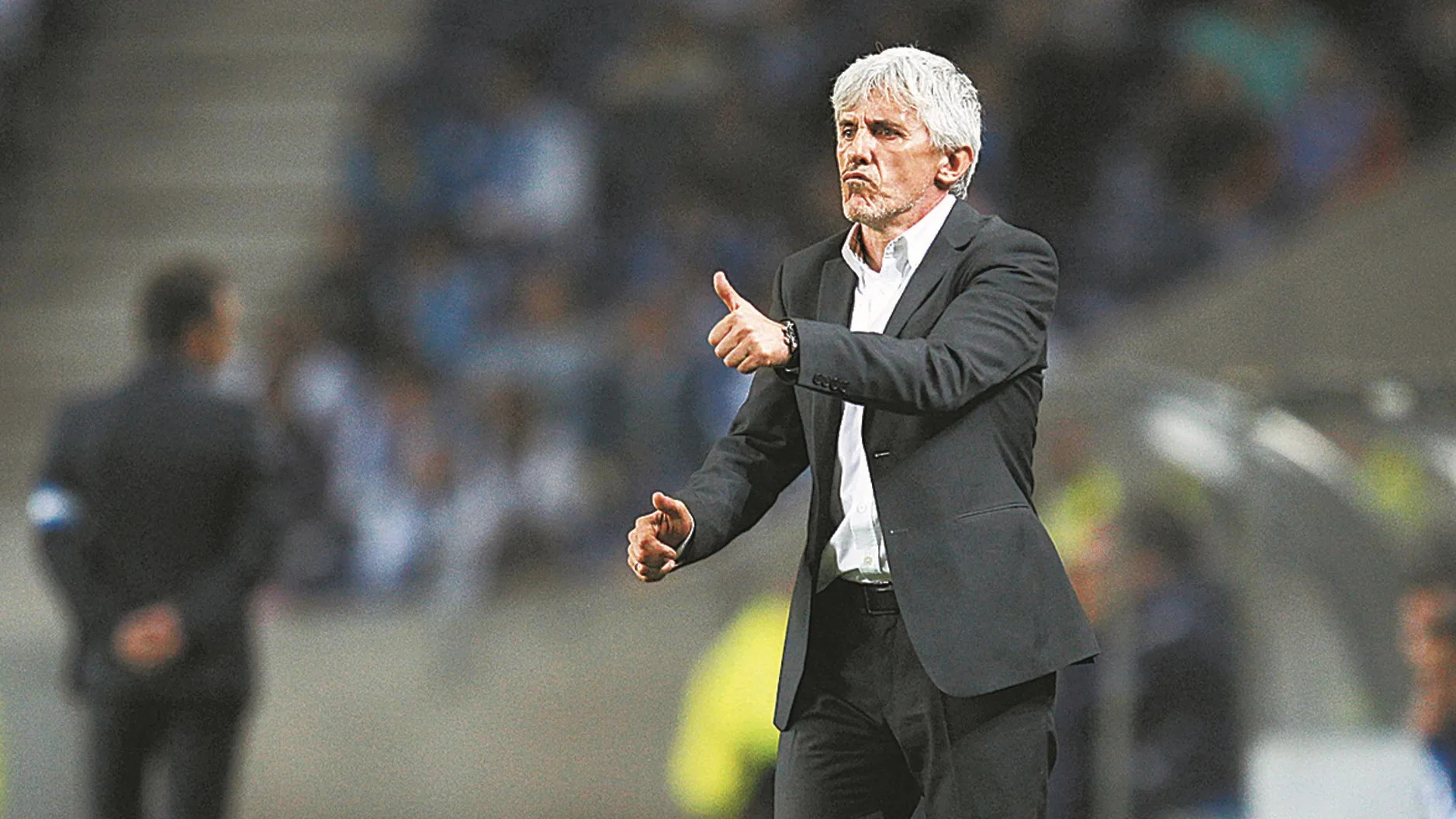
After losing the first leg 0-1 in Karaiskaki, manager Ivan Jovanic made seven changes to the previous starting lineup, most of them being the young guns coming through.
This included: Konstantinos Tzolakis, Christos Mouzakitis, Christos Zafeiris, Giannis Konstantelias, Christos Tzolis and Konstantinos Karetsas.
Karetsas in particular had made an impact when coming on for his debut in Piraeus as a substitute, and in hindsight it was a sign of things to come in the second leg.
I believe it was the manner in which Greece completely outclassed the Scots which captured the imagination of Greeks watching all over the world and everyone else.
The combination of Konstantelias, Tzolis and Karetsas running riot in Hampden Park, with each other scoring as well, really caught people’s attention to the level of talent.
The potential of those three in particular and the ease with which they made Scotland look like an amateur side is unlike anything we as supporters ever thought we would see from players competing for the national team.
All of a sudden, a million highlight reels of our players were being shared on every social media platform for all the world to see, and this is where I believe the perception of Greece changed.
Gone was the stereotype of a team that was hard as nails, tough to break down because of a rock-solid defence, and played an unwatchable style of anti-football (not my opinion).
The Ethniki had become “trendy”. A new enthralling model rose from the ashes to show the world that, yes, Greece has talent and can play good football.
Although Ethniki supporters were rightfully disappointed with the national team’s failure to qualify for the 2026 World Cup, that setback did not seem to sour onlookers’ view of Greece.
The most recent UEFA Nations League campaign has only fueled the fire of the mainstream media and other supporters’ attention on our national team.
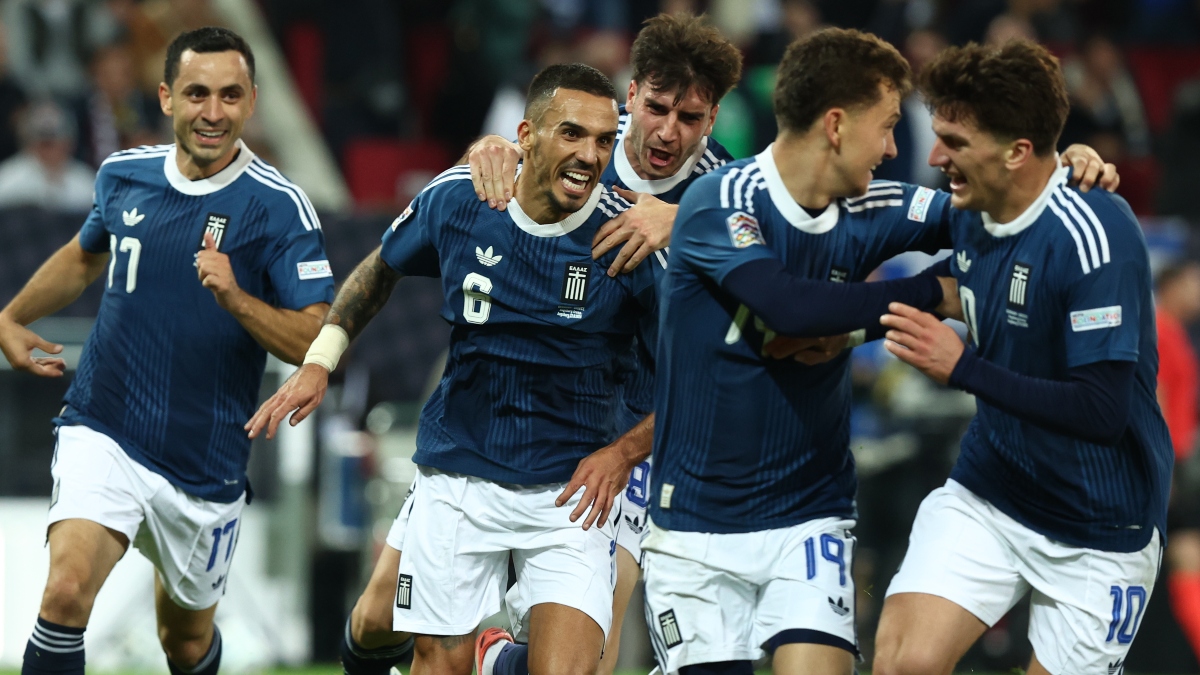
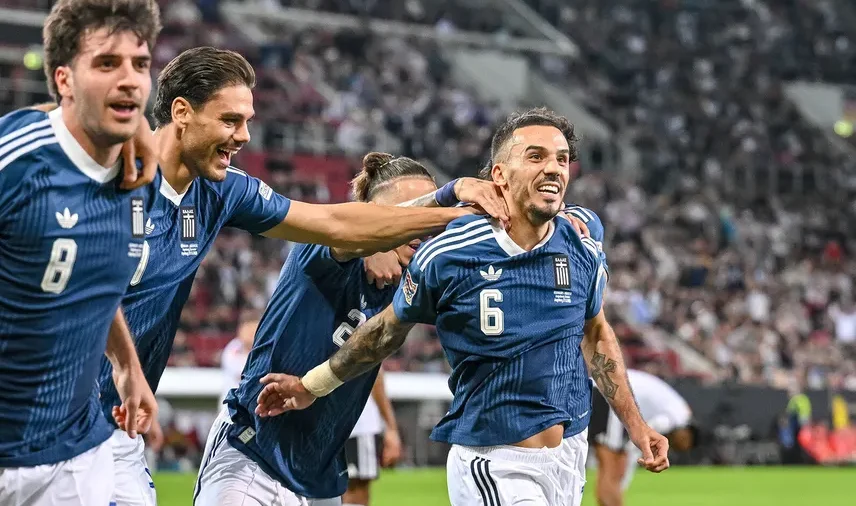
Defeating Serbia on matchday one, in a must-win game.
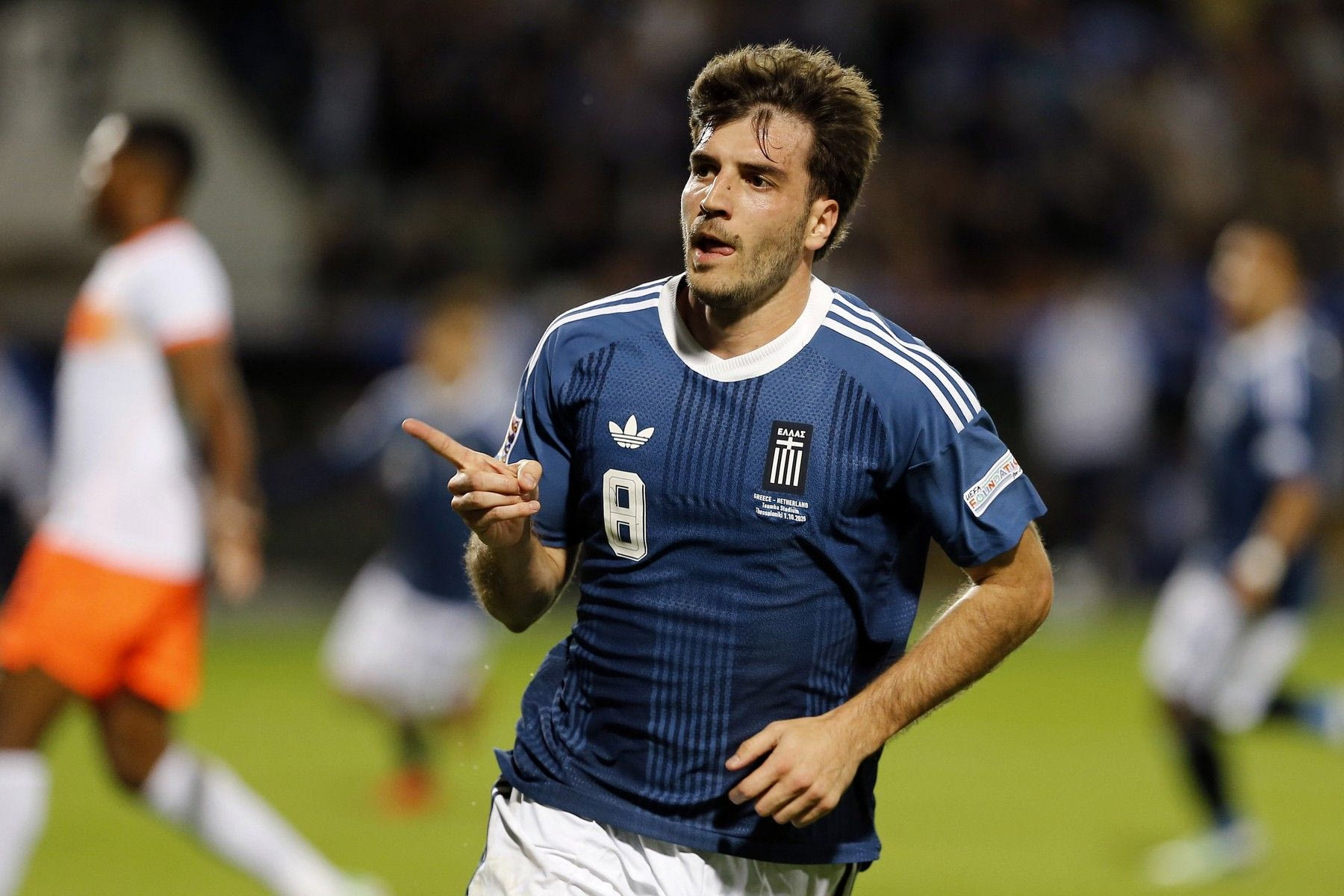
Obtaining four points from Germany and a draw against the Dutch in Toumba. Who would have thought that was possible?
Content creators went nuts for it, possibly to jump on the bandwagon for clicks and views, with short-form videos everywhere proclaiming Greece had a golden generation that would not only qualify but win Euro 2028.
All you need to do is type on YouTube “Greece’s golden generation”, and you are met with more videos and shorts on our national team than we have ever seen.

What has also helped is quite possibly the biggest summer transfer window for Greek players in recent memory.
Christos Tzolis moving to Premier League Arsenal and breaking the record transfer fee for a Greek international; Konstantinos Tsolakis and Christos Mouzakitis leaving Olympiacos also for English football with newly promoted Hull City.
In the rest of Europe’s five leagues: the duo of Konstantinos Karetsas and Giannis Konstantelias are joining Bundesliga giants Borussia Dortmund, while Konstantinos Koulierakis signed for Roma in Serie A.
Not to mention Babis Kostoulas and Stefanos Tzimas both joining Brighton the year before.
I guess the question I am trying to answer is whether all this attention is a good thing or not.
Maybe I’m being a contrarian, but I can see the pros and cons of both.
Starting with the negatives, and this is something I mentioned earlier, the golden generation tag.
Yes, this Greece side absolutely has the potential to become a force on the international stage.
We have already seen that in flashes over the last couple of years, but the tagline, especially before our players have really achieved anything significant, is unhelpful.
Both England’s and Belgium’s “golden generations” failed.
Despite boasting some of the greatest players of their era, the pressure on their shoulders was so great that they fell short time and again until they ended up winning nothing and not achieving their potential
Our Greek players already have enough pressure as it is.
The lack of tournament appearances in over a decade.
The failures of the generation after 2014 and because we are Greek, we can definitely go from one extreme to the other regarding positive and negative reactions, especially when it comes to football.
Pressure can be a good thing.
It strengthens physical and mental resolve, and we have seen an improvement from our players in the Nations League against titans of the international game in Germany and the Netherlands.
But come the Euro 2028 qualifiers, when it really matters; the team must ignore all the excess noise and focus on qualifying.
This leads on to another criticism I have, which is the measure of success that our national team can achieve.
A lot of the videos talking about Greece recently have used headings like: “Greece will win Euro 2028” or “Greece are going for that 2030 World Cup”.
Now I don’t believe in jinxing or pre-empting, but we have to qualify for these tournaments first, guys.
Talking about winning anything comes once we have reached these major tournaments, which is the aim of both manager Ivan Jovanovic and EPO President Makis Gagatsis.
Arguably, Greece, even with the team we had, “could have” qualified for Euro 2024 and was absolutely capable of reaching the 2026 World Cup. But we didn’t.
So while I am sure these video headers are for clicks and views, they need to hold their horses.
Even if or when Greece finally reaches a major tournament again, and I might be in the minority on this,Greece National Team: Reacting to the online reaction I don’t believe that success rides on Greece winning the Euros or the World Cup.
The expectations are different from England and Belgium.
The latter, despite being a similar size country and population to Greece, had so many players at the true elite level at the time that they probably should have won at least one major tournament.
But what I want to see from Greece is similar to when I was growing up.
Reach major tournaments, get out of the group and then we see what happens next.
If this current crop of players reached the knockouts, they could absolutely get to the latter stages playing at their best. Then we can talk about winning a major silverware.
But if this generation comes and goes and we haven’t won a trophy, I don’t think Greece fans will see that as failure.
We will have seen our Ethniki Omada back where we feel they belong by representing every Greek around the world in the biggest competitions in international football.
That would be success in my own opinion.
Not qualifying for either of the next two competitions would be not only a failure, but a disaster.
So, to round off the cons, this Greece team can be a golden generation, but I am cautious to name them as such, not just for them, but for the supporters’ sake as well.
On the other hand, worldwide attention is a good thing for several reasons.
The fact that this team has made enough of an impact to gain more focus outside of Greece in itself should be celebrated.
We knew how capable this team was before it was cool.
But in all seriousness, the recognition that our national team gets from overseas is definitely deserved.
From a player’s perspective, more exposure can mean bigger clubs will look at you while on international duty.
It could mean there is a potential for some of our other Greek talent who are yet to make the move to a team in Europe’s top five leagues, for example, to stand out to scouts if they play well against bigger footballing nations as they did in September/October.
In the social media age, it is all of a sudden very accessible to watch highlights or clips of the team or individual players.
Coupled with some of the most highly skilled players many of us have ever seen play for the Ethniki, only increases the excitement and relevance of Greece in the modern era.
It is also good publicity for Greek football in general.
There is finally positive news that gets a focus outside of Greece at club and international level, after years of controversy over corruption, underperformance, and embarrassing defeats *cough the Faroe Islands cough*.
While I am critical of certain videos, I have watched some that are really informative, not only about the current Greece squad, but also how Greek football in general has improved, at club and international level.
From the announcement of Anagenissi, the change in approach to youth football in Greece and how it has already positively impacted the sport in the country.
This one in particular was very informative:
I am sure there are talking points that I have missed while writing this.
But the point I am trying to make, other than my tendency to be a bit pedantic, is that there is more attention than ever on Greece, for better or for worse.
We can only hope, as supporters who enjoyed the good years and waded through the bad ones that preceded them, that the national team, with as many people behind them as there has ever been, can finally break the cycle of failure and fulfil their potential of being a truly golden generation.
Leave a Reply