
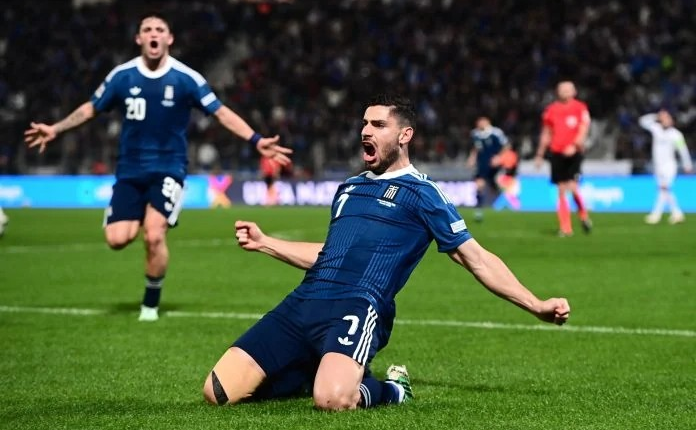
Greece may have secured their place in League A and a Pot 1 position for the UEFA Euro 2028 qualifiers, but a humiliating defeat to the Netherlands and questionable tactical decisions have left plenty to reflect on.
Greece’s UEFA Nations League campaign concluded with 11 points, a third-place finish and the avoidance of the relegation play-offs.
For a national team continuing to rebuild its standing in European football, these are encouraging achievements.
However, the manner in which Greece ended their campaign leaves a sour taste. A humiliating 7–0 defeat to the Netherlands in Amsterdam was followed by a deserved 1–0 victory over Serbia in Volos.
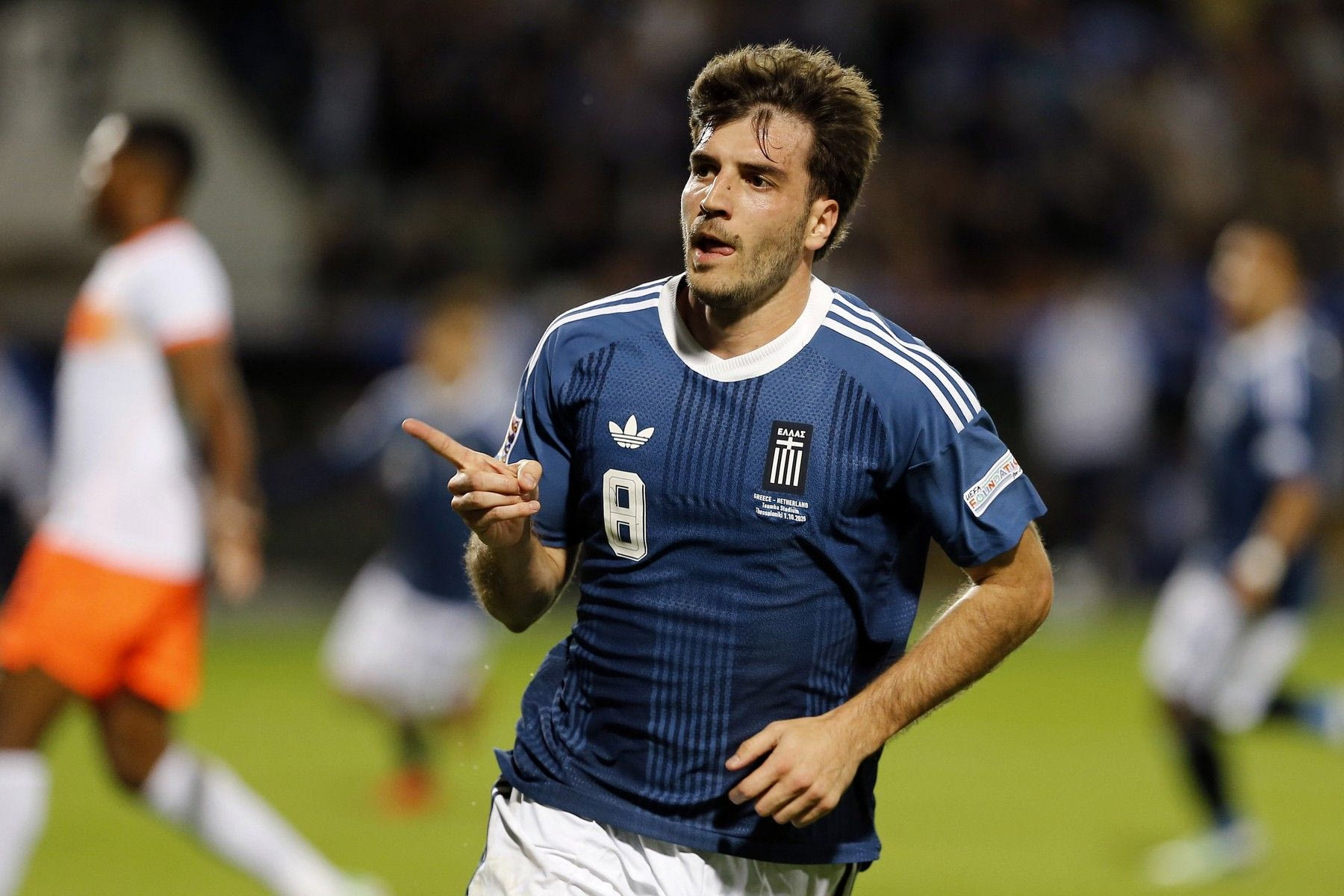
Meanwhile, Germany’s emphatic 5–0 victory over the Dutch only added to the frustration, particularly after Greece had held the Netherlands to a 2–2 draw in Thessaloniki earlier in the campaign, as well as beating Germany 0-1 in their backyard and a 0-0 draw at Toumba.
While Ivan Jovanović deserves credit for Greece’s progress, the international window has raised legitimate questions about his tactical approach, squad selections and willingness to adapt.
Amsterdam: A tactical and defensive collapse
The 7–0 defeat against the Netherlands was more than an embarrassing result. It was the worst defeat since losing to Hungary 11-1 all the way back in 1938, and the first time they conceded seven goals since losing to Denmark 7-1 in May 1989 in Copenhagen for the 1990 World Cup qualification campaign. History-making for all the wrong reasons.
This particular game exposed significant weaknesses in Greece’s organisation, defensive concentration and tactical approach. Jovanović opted for a 4-4-2 formation, the same system previously used in the 2–2 draw against the Dutch in Thessaloniki.
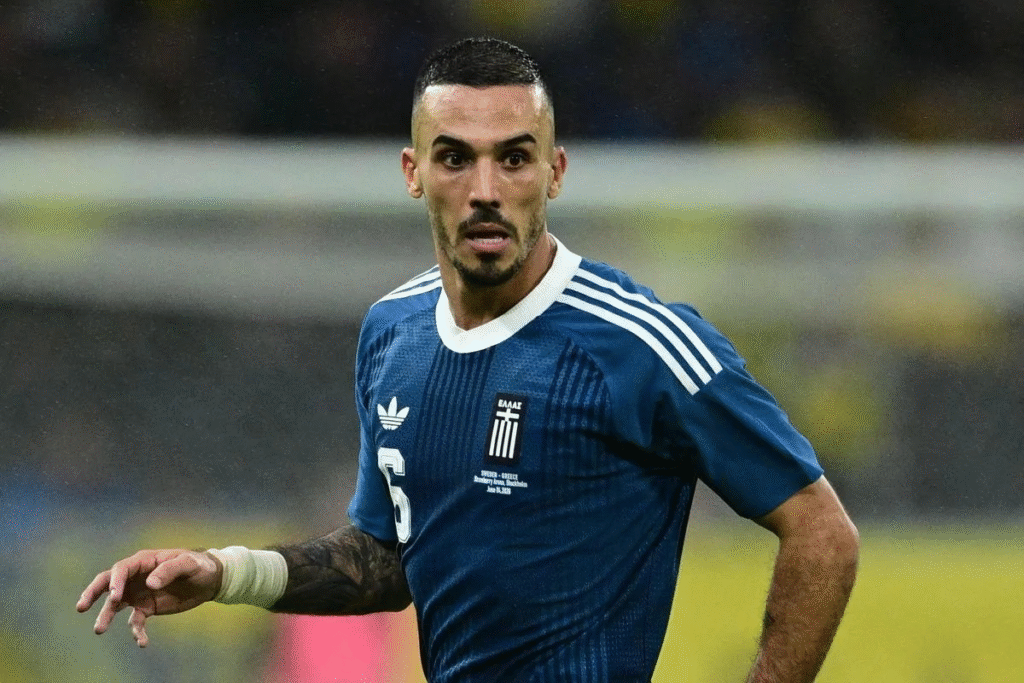
However, the circumstances were considerably different. Christos Zafeiris and Manolis Saliakas were suspended, while Dimitris Kourbelis had been called into the squad despite carrying an ankle injury. Initially named in the starting XI, Kourbelis withdrew during the warm-up, forcing Nectarios Triantis into the side.
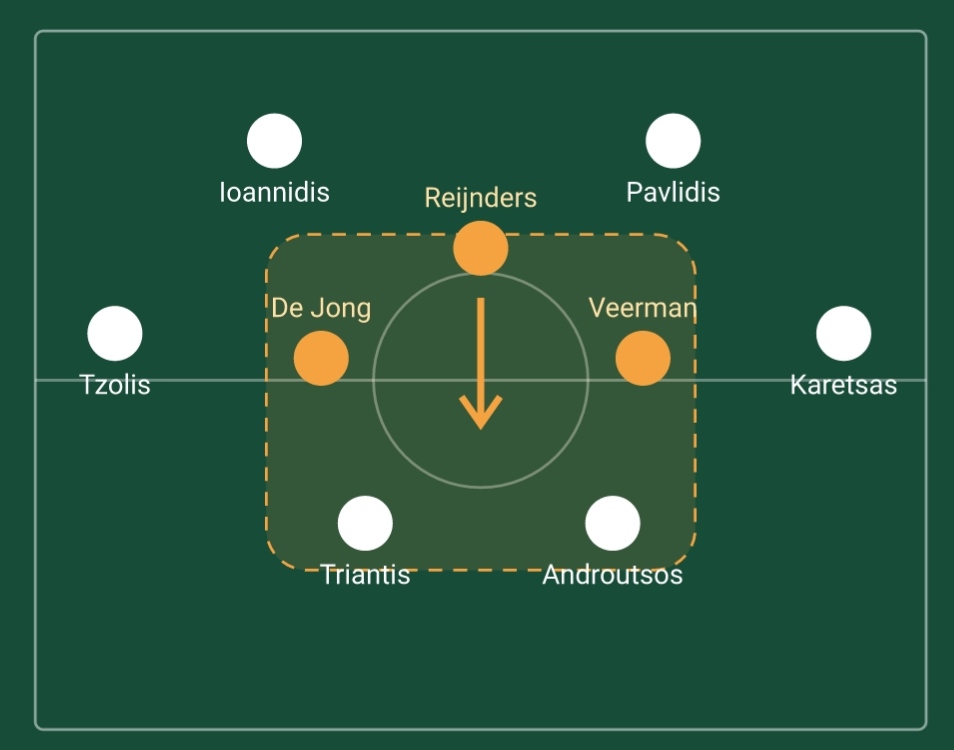
The decision to rely on a player who was not fully fit, particularly with Zafeiris already unavailable, deserves scrutiny. With Triantis and Androutsos operating centrally, Greece struggled against a technically superior Dutch midfield.
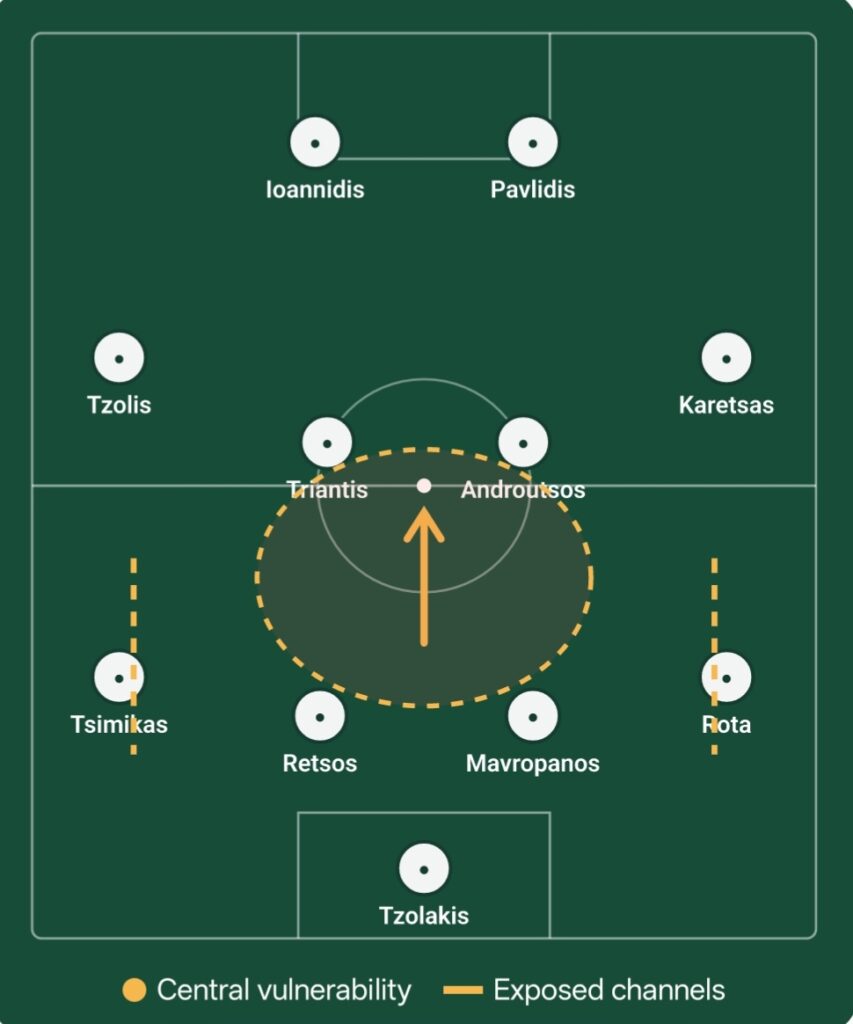
The lack of defensive compactness left significant spaces between the lines, allowing the Netherlands to repeatedly exploit Greece’s defensive structure.
However, the midfield was not solely responsible. Greece’s defenders also displayed an alarming lack of concentration, with poor positioning, lapses in marking and a failure to react quickly enough to dangerous situations contributing to the collapse.
At this level, even brief moments of hesitation can prove costly. Against the Netherlands, those individual errors became a recurring problem, compounded by the team’s inability to regain its defensive organisation.
While Jovanović’s tactical approach deserves criticism, the players must also accept responsibility for their defensive discipline and concentration.
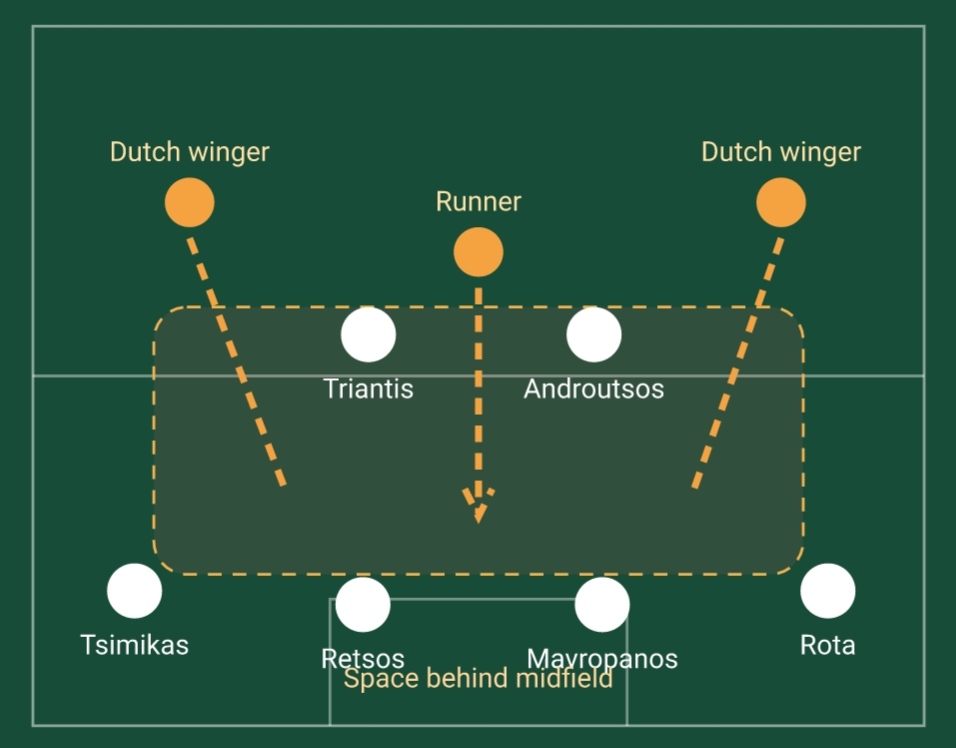
The absence of key players undoubtedly complicated matters, but Jovanović’s failure to adjust his approach was equally concerning. A more conservative midfield structure could have offered greater protection, even if it would not have guaranteed a positive result.
There is a difference between losing to stronger opposition and suffering a seven-goal humiliation.
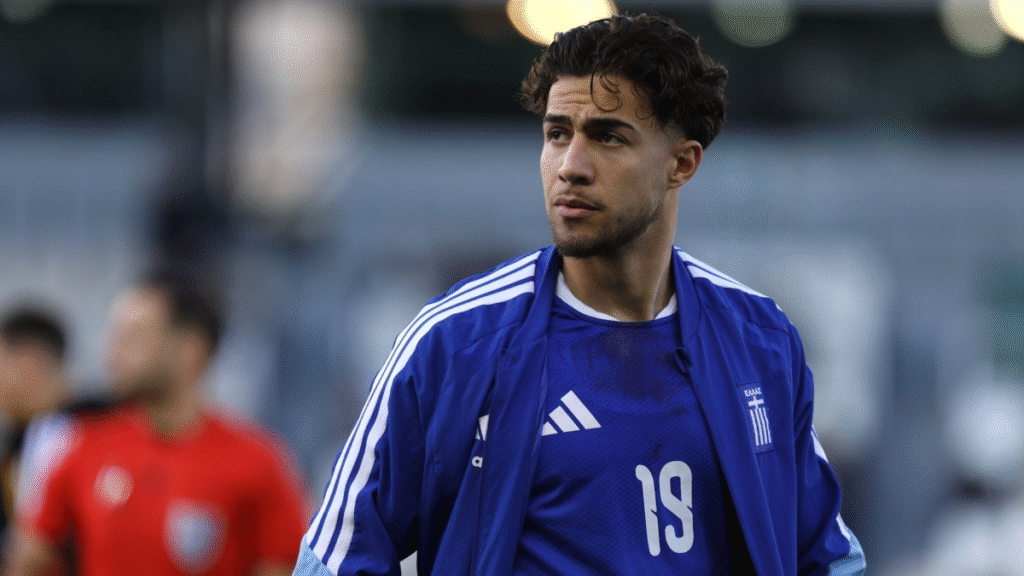
Questions must also be asked about the exclusion of Babis Kostoulas and Alexandros Kyziridis from the matchday squad. Neither player would necessarily have prevented the defeat, but their absence raises concerns about Jovanović’s willingness to utilise alternative attacking options.
Experience and loyalty remain valuable, but selections should ultimately reflect fitness, form and tactical suitability rather than familiarity alone.
- READ: Greece National Team: Reacting to the online reaction
- READ: Could Greece ever host the FIFA World Cup?
Serbia: A different approach and a much-needed response
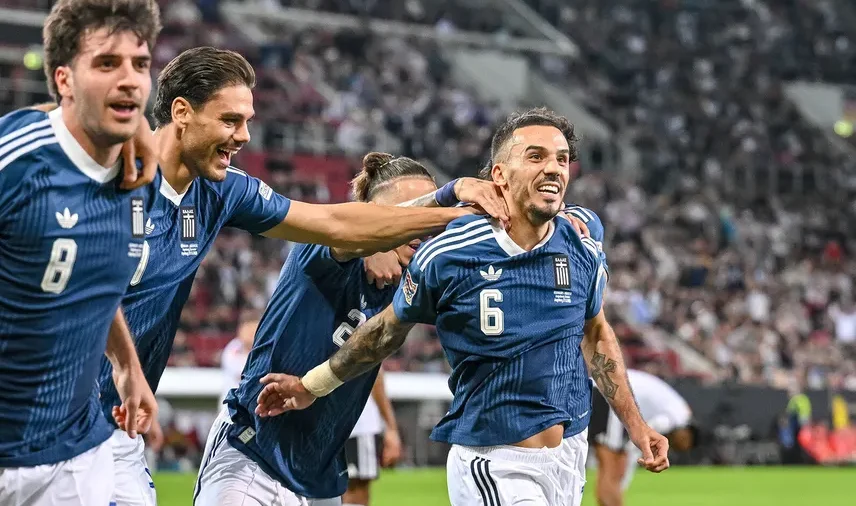
Three days later, Greece responded with a 1–0 victory over Serbia in Volos, demonstrating greater organisation and attacking cohesion.
Jovanović also made notable changes to his starting XI, with Mandas replacing Tzolakis in goal and Koulierakis starting ahead of Retsos in defence.
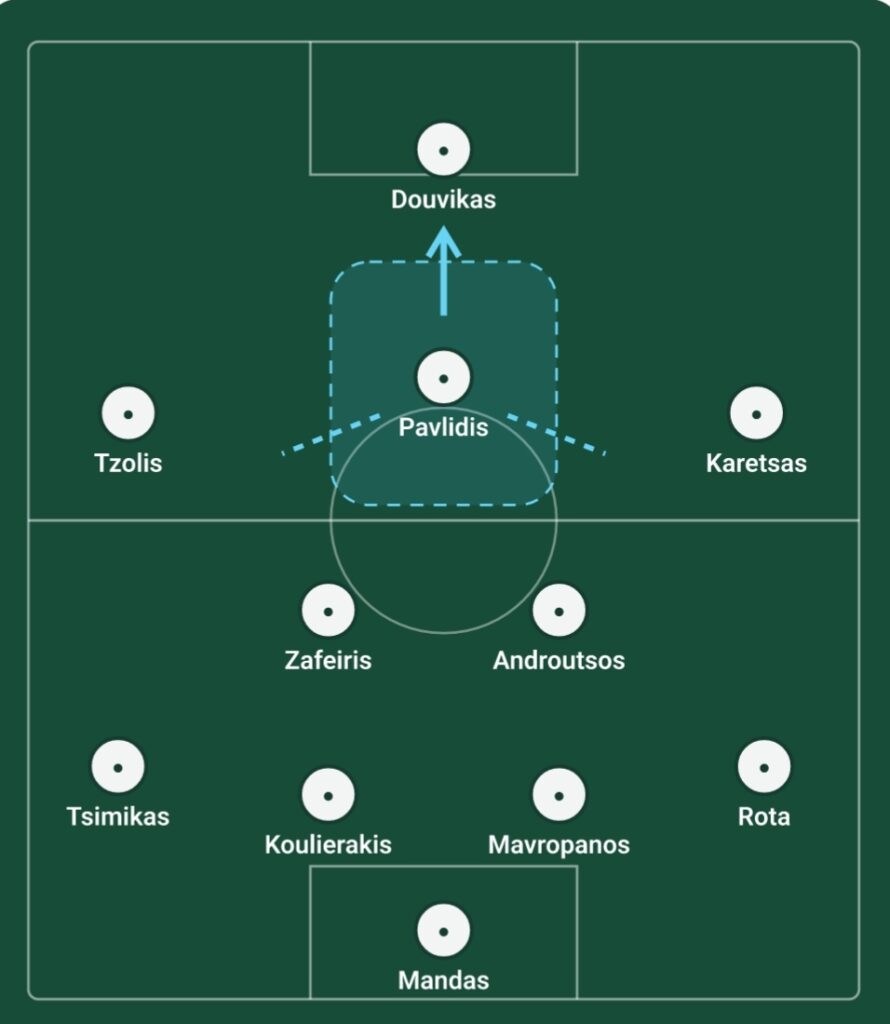
These changes reflected a willingness to rotate personnel following the humiliation in Amsterdam, while offering different options within Greece’s defensive structure.
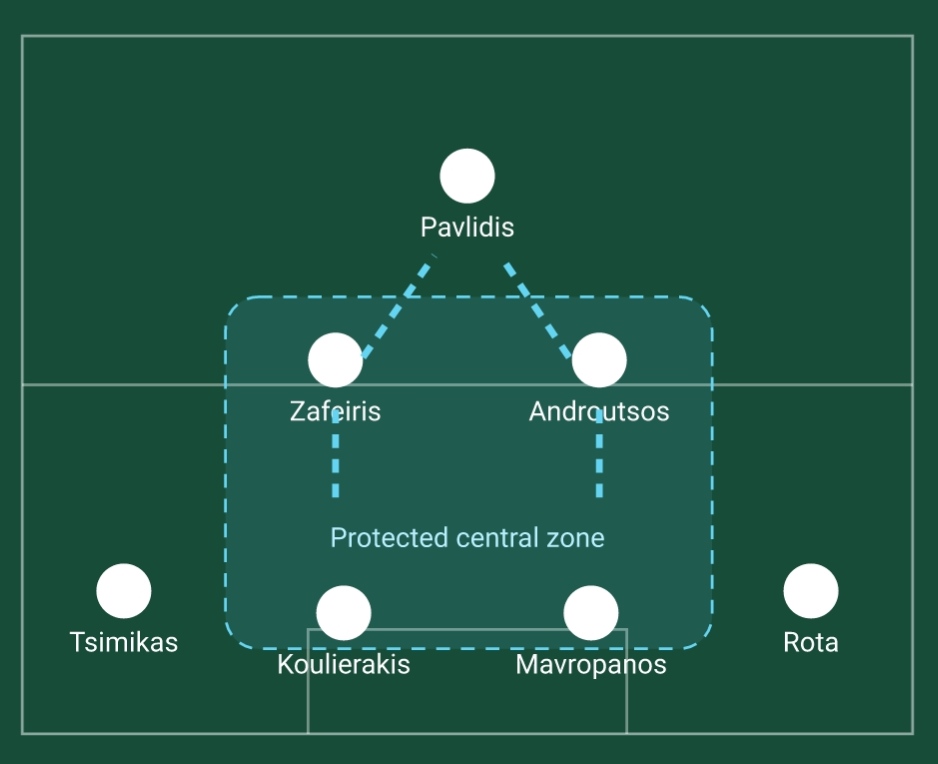
Although Jovanović again utilised a 4-4-2 formation, its interpretation was noticeably different. Pavlidis frequently operated deeper behind Douvikas, creating a structure resembling a 4-2-3-1.
His movement between the lines provided Greece with an additional creative outlet while allowing Douvikas to occupy Serbia’s defenders. The return of Zafeiris also helped restore balance in midfield alongside Androutsos.
Giorgos Masouras eventually secured the victory with a second-half goal, assisted by a fantastic cross by Pavlidis.
It was an encouraging response, but one that raised an obvious question: why was similar tactical flexibility not demonstrated against the Netherlands?
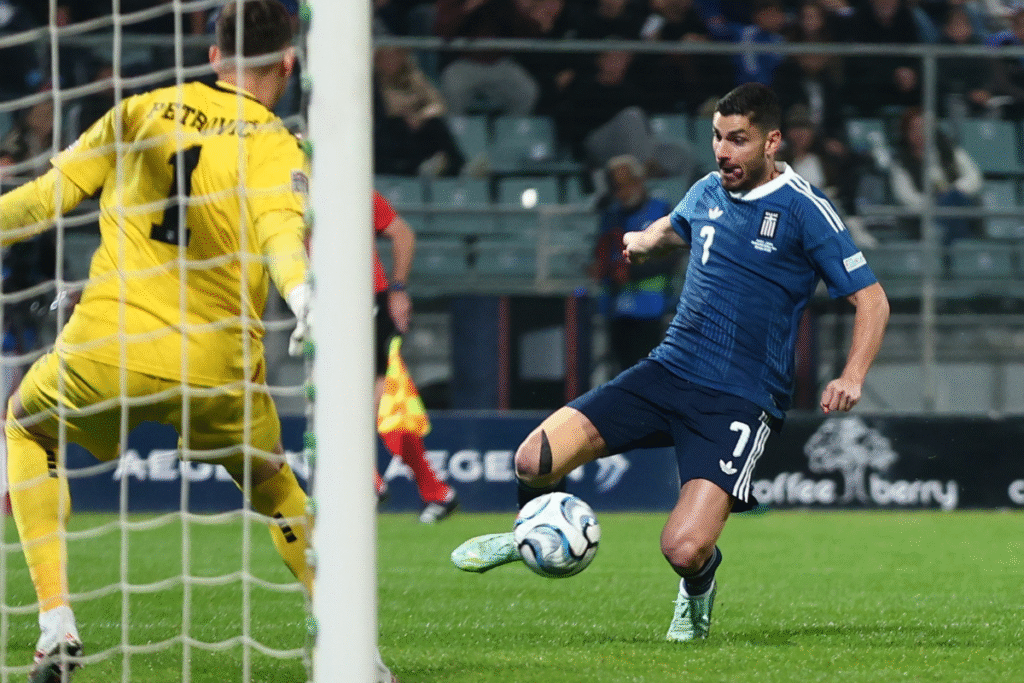
Another notable development was the return of Kostoulas to the matchday squad, with the youngster introduced in the 72nd minute after Greece had taken the lead.
Kyziridis, however, remained excluded. If Kostoulas was considered a useful option against Serbia, his absence in Amsterdam becomes even more questionable. The Serbia match also witnessed an unfortunate incident when captain Tasos Bakasetas was booed by sections of the crowd upon entering as a substitute.
Whether the reaction reflected frustration over the withdrawal of Konstantinos Karetsas or dissatisfaction with Bakasetas’s continued involvement, it was unnecessary.
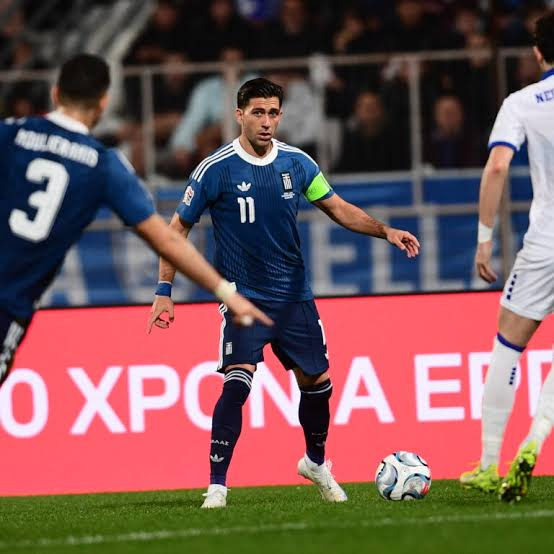
Bakasetas has served the national team with commitment and professionalism throughout some difficult years. While questions about his role and whether younger players deserve greater opportunities are entirely legitimate, that does not justify booing a captain who has given so much to Greece.
He does not select himself or decide which player he replaces. Those decisions belong to Jovanović. Supporters are entitled to question the manager’s substitutions, but supporting the next generation should not come at the expense of disrespecting those who have represented the national team with distinction.
Germany’s 5–0 victory: What could have been?
Perhaps the most frustrating development came elsewhere, where Germany dismantled the Netherlands 5–0 in Berlin. Just days earlier, the same Dutch side had humiliated Greece 7–0. Of course, football cannot be judged purely through comparisons of scorelines.
Germany possess greater individual quality and depth, while every match presents different circumstances. Nevertheless, Greece had already demonstrated in Thessaloniki that they could compete with the Netherlands.
The contrast between those performances makes the collapse in Amsterdam particularly difficult to accept.
Could Greece have achieved a more respectable result with different selections, better preparation, greater defensive concentration and a more adaptable tactical approach? Certainly.
Whether those changes would have been enough to secure a quarter-final place is another matter, but Greece arguably failed to give themselves the best possible opportunity to compete.
A generational transition that must continue
Despite the disappointment, Greece have genuine reasons for optimism. The emergence of Karetsas, Zafeiris, Kostoulas, Koulierakis, Tzolakis and Triantis provides an exciting foundation for the future.
Alongside established internationals such as Pavlidis, Retsos, Tzolis, Mavropanos and Tsimikas and more, the national team possess the talent to become increasingly competitive.
However, talent alone will not guarantee success. Jovanović must establish a tactical approach capable of accommodating these players while maintaining defensive stability. That requires flexibility, competition for places and a willingness to make difficult selection decisions.
Experienced players still have important roles to play, but loyalty should never prevent the national team from evolving. The challenge is not choosing between generations, but finding the right balance to build the strongest possible team.
Conclusion: Progress is real, but so is the frustration
Greece’s Nations League campaign should ultimately be viewed positively.
Eleven points, retaining League A status and Pot 1 for the Euro 2028 qualifiers represent meaningful progress, yet the 7–0 defeat against the Netherlands cannot simply be forgotten just because Greece subsequently defeated Serbia.
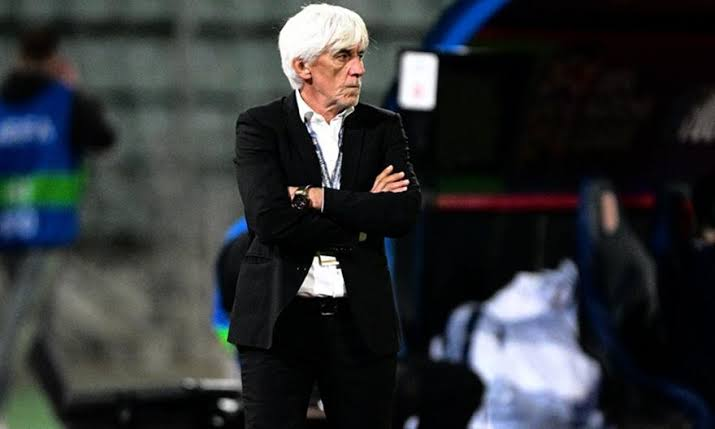
Jovanović deserves recognition for the progress made, but he must also accept responsibility for the tactical shortcomings and questionable selections that emerged during this international window.
The national team is continuing to grow, with an exciting generation of players capable of taking Greece forward. The foundations are there, but progress must be accompanied by accountability and a willingness to adapt. With attention now turning towards Euro 2028 qualification, Jovanović must demonstrate that he can evolve alongside the talent at his disposal.
Greece are moving in the right direction. The challenge now is ensuring that their potential translates into performances when it matters most.
Leave a Reply