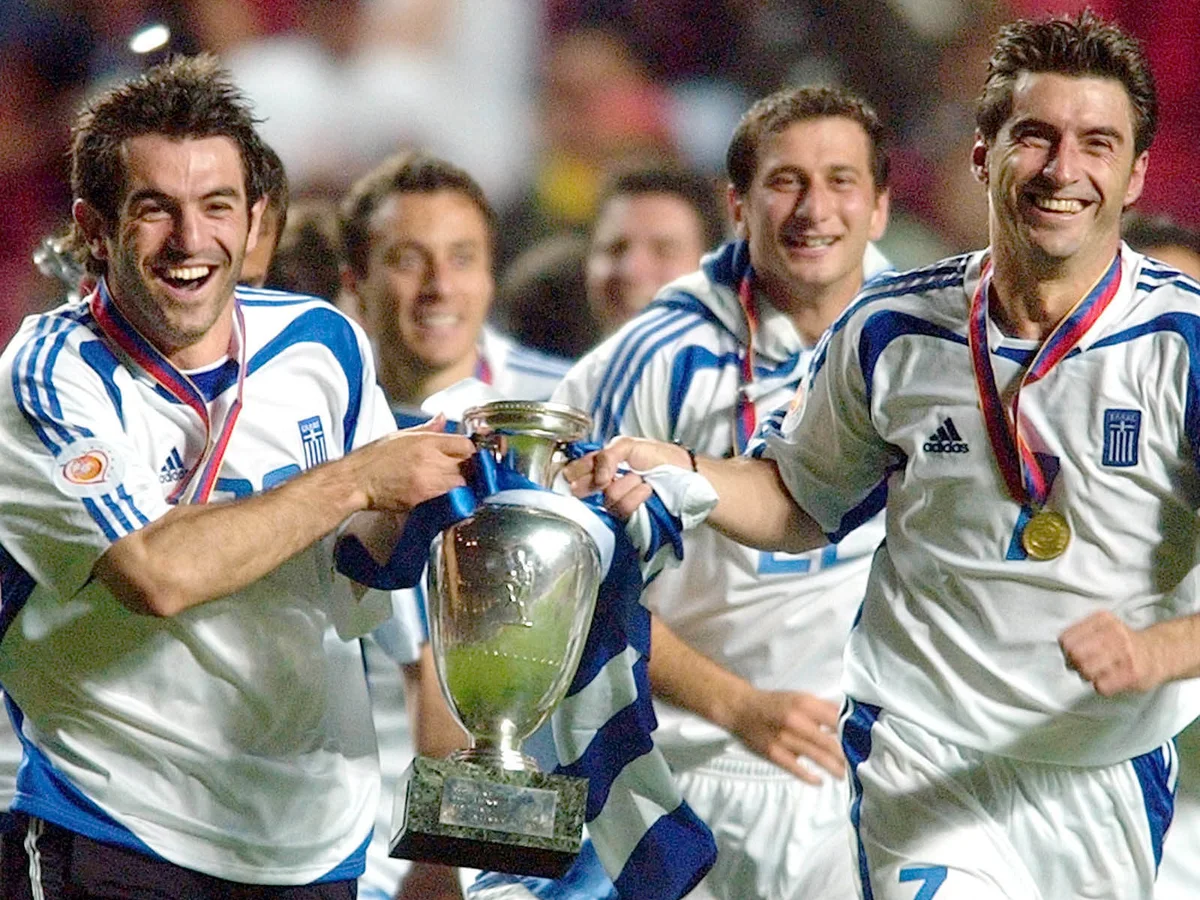
Everyone knows the epic tale of how Greece defied the odds and caused the greatest upset in football history by winning UEFA Euro 2004 all those years ago.
It is an achievement that has not been matched, certainly at international level, and it still lives long in the memories of every Greek who witnessed Otto Rehagel and his unfancied side lift the European Championship trophy in Portugal.
But did you know that Greece have also been world champions before? Now you might be asking, what on earth are you talking about?
The Ethniki have not even reached the FIFA World Cup or any major tournament for 12 years and counting.
Even in the three appearances Greece made on the world’s biggest stage, the furthest we progressed was the last 16 in 2014 and a painful exit on penalties at the hands of Costa Rica.
To that, I would say, you have never heard of the Unofficial Football World Championships, have you?
Let me explain.
The Unofficial Football World Championships (UFWC) is an unofficial way of calculating the best international football team.
The format is a boxing-style knockout system where the Unofficial World Champions are the holders until they are beaten in an official international fixture, whether that be a qualifier, a tournament game, or a friendly, and the winner becomes the new holder.
A draw means that the championship does not change hands.
In the event of a loss in extra-time, the championship changes hands.
The holder could also lose their crown if they are defeated on penalties.
The idea first stemmed from Scottish fans and the media joking that they had handed England, who were FIFA World Cup holders at the time, their first loss since their 1966 victory, in a British Home Championship match on the 15th of April 1967, and were therefore “Unofficial World Champions”.
Years later, in 2002, several football statisticians traced and published it on the Rec Sport Soccer Statistics Foundation website and set up the rules.
The first UFWC champions were Scotland, who defeated England 4-2 in 1873 in the second fully recognised FIFA international match ever played.
It has since been tracked from there until the present day.
A year after the website was created, FourFourTwo magazine published an article by freelance journalist Paul Brown, with a book being published in 2011.

FIFA does not sanction the UFWC, nor does it have any official backing.
So, with the context of what the UFWC is, where does Greece come in?
Well, the Ethniki have been holders on two occasions.
First, on January 17, 1990, Greece defeated holders Belgium 2-0 in a friendly in Athens to claim the title.
For nearly a year they remained undefeated, with victories over Israel, Albania, Egypt, Malta and a 0-0 draw with Italy.
That was until November 21, when they were finally defeated by the Netherlands 2-0 in a Euro 92 qualifier.
The Ethniki would have to wait 17 years until they had the chance to compete for the UFWC title again.
As European champions, Greece defeated Unofficial World Champions Turkey 1-0 in Euro 2008 qualification on October 17, 2007 to take their crown.
A slightly shorter reign followed, with Otto Rehagel’s men defeating Malta, Hungary, Finland, Portugal and Cyprus.
In a friendly against Hungary on the May 24, 2008 – my birthday, ironically – Greece lost 3-2 in Budapest.
That was the last time they held the UFWC.
When combining both reigns, Greece were Unofficial World Champions for 748 days, ranking them joint-19th in the all-time UFWC table.
In the end, however, what does this all amount to?
To be honest, not a whole lot. It is a fun bit of football trivia to say that our Ethniki were “World Champions” on a couple of occasions, even if it is not recognised by any football governing body.
But when it is not even mentioned on the Greece national team’s Wikipedia page, you know how highly this supposed “achievement” is measured and its lack of importance in the grand scheme of things.
Still, it was fun to research.
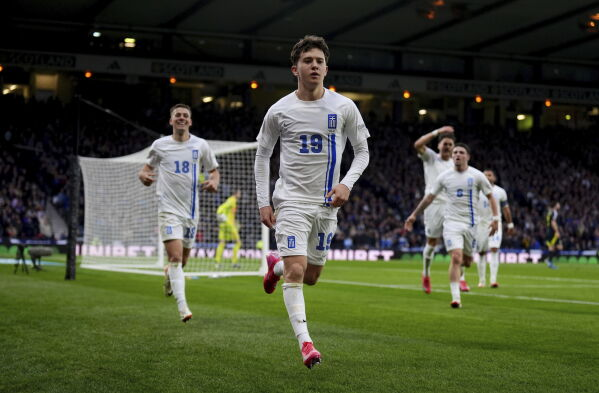
During a summer of international football, where once again Greece aren’t involved, and the only thing Ethniki supporters can do, other than watching the World Cup, is look back at past glory in the hope that we will see the blue and white shirts of Greece line up and compete at a major tournament again.
Maybe one day.
Leave a Reply